Key tags: Camp David, Jordan agreement, Oslo agreement, Abraham accords
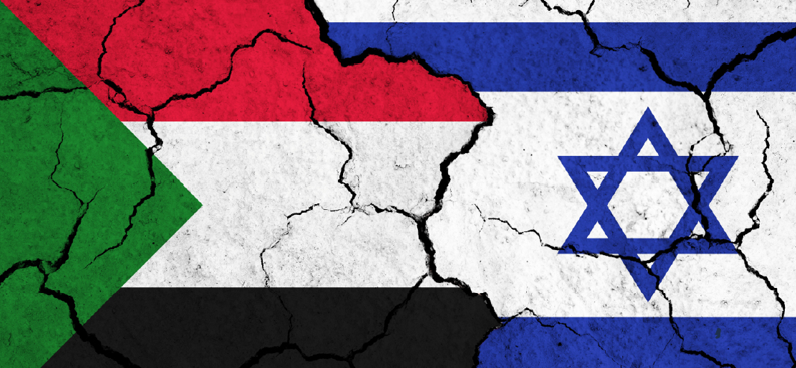
Israel’s foreign relations are influenced primarily by the strategic situation in the Middle East. On its establishment, the newborn state of Israel was rejected by all regional States and Muslim countries. Wars to eliminate the Jewish state were waged by neighbouring states in 1948-9, 1967, and 1973.
Commencing in the 1920s but prevalent especially since the 1960s, terror attacks have been the prevalent form of force used to coerce the Jewish populace into political submission. In contrast, Jewish private, societal, and governmental initiatives have been launched in order to promote co-existence.
Application to Israel
Today, Israel has full diplomatic relations with two of its Arab neighbors, Egypt and Jordan, after signing peace treaties with them, in 1979 and 1994, respectively. The Camp David Accords of 1979 between Egypt and Israel formed an agreement for which Israel surrendered the Sinai desert, an area three times the geographical size of Israel. In 1994, the Jordan-Israel Peace Treaty was signed, addressing land and water disputes, tourism and trade, and obligating both countries to prevent their territory from being used as a staging ground for military strikes by a third country. Even though the agreements have held steady for several decades, they are termed “cold” peace, as there is little contact between the countries and there are recurring sources of tension between them.
Another major milestone was the signing in the early 1990s of the Oslo Accords. They are a series of agreements that created the Palestinian Authority (“PA”) and by which Israel recognized the “legitimate rights” of the “Palestinian people” concerning self-determination. Many issues were meant to be resolved under permanent status negotiations envisioned by the Oslo Accords, however, progress has been minimal.
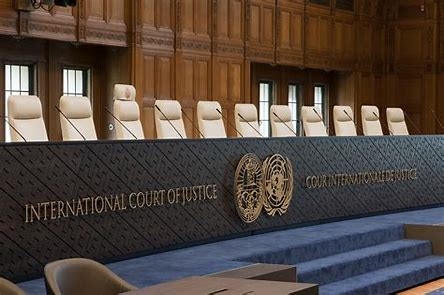
The PA has unilaterally pursued international recognition of statehood outside of negotiations, principally through the UN. Although peace talks under the Oslo Accords have stagnated, agreements between the parties remain the necessary way to peace. Thus, the influence of international resolutions or decisions is indeterminate.
In 2020, Israel signed agreements establishing diplomatic relations with three Arab League countries, Bahrain, the United Arab Emirates, and Morocco. The agreements were facilitated by the U.S. Administration and called the ‘Abraham Accords’. Their premise is that diplomacy and communication would further stability and prosperity in the region. The recent normalization agreements indicate that a growing number of states prefer to switch to a more pragmatic partnership with Israel.